
Dravet Journeys
Every Dravet Syndrome journey is unique. Read more stories here.
Amelia had her first seizures at just two months old. Mum, Jamie, shares their story.
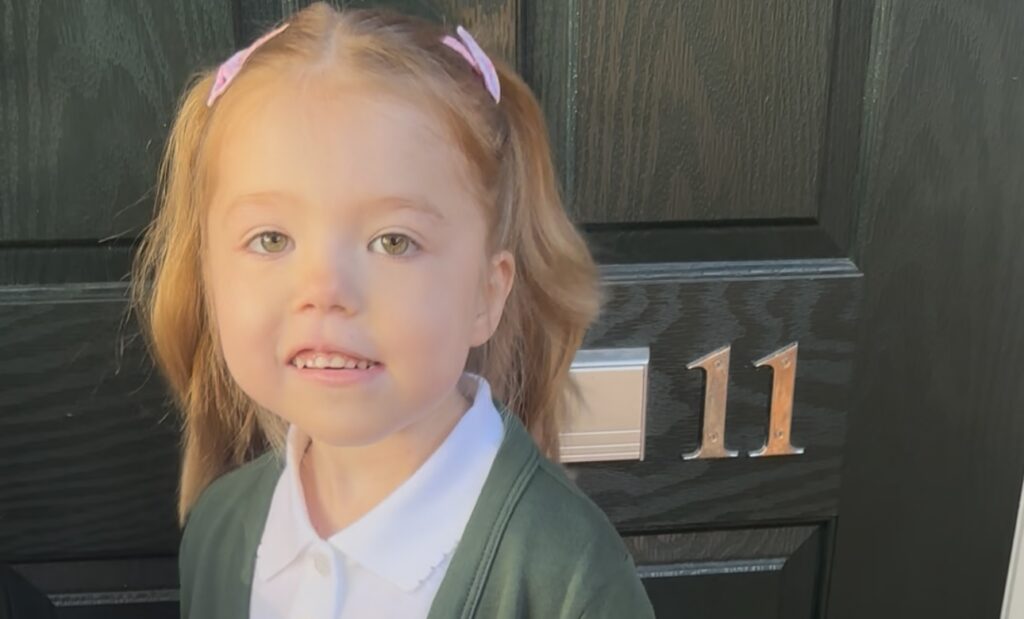
Amelia was just two months old when we first noticed something was wrong; her arm or leg would twitch for around ten minutes and then go limp. She seemed completely herself otherwise, alert and observant.
At 12 weeks old, Amelia had her first vaccination. I showed the doctor a video of her twitching and asked for advice. He wasn’t overly concerned but suggested we see a paediatric specialist. That very night, Amelia had her first tonic-clonic seizure. We rushed her to A&E in absolute panic and it was put down to a febrile seizure. Exactly one month later, she had another seizure but without a fever. This was when she was first diagnosed with epilepsy.
From that moment on, the hospital became our second home. We knew the doctors and nurses by their first names. We lived on edge every day, never knowing when the next seizure might strike or what new trigger might appear.
Paramedics would administer rectal diazepam, then at the hospital it would be buccal midazolam, which caused Amelia to go into respiratory depression multiple times and doctors had to act quickly. Eventually, we found an emergency medication that works for Amelia without causing respiratory depression which is rectal paraldehyde.
Watching your child struggle for every breath is a trauma that never leaves you.
Gaining a diagnosis
Amelia continued to experience severe seizures, often triggered by illness, which led to extended hospital stays as doctors worked to bring them under control. When she was 10 months old, her neurologist mentioned gene panel testing but we didn’t hear anything for months. It wasn’t until March 2020, at age 14 months, amidst the uncertainty of COVID, that we were informed Amelia had a mutation in the SCN1A gene.
When I asked what it meant I was told not to Google it and that we’d discuss it in person, though that wasn’t possible at the time. We were left with very little information, except the terrifying label of a ‘devastating disease’.
Coming to terms with Dravet Syndrome
Since Amelia’s diagnosis, life has been an absolute rollercoaster. Her Dad worked full-time, and I was left at home, allowing Dravet Syndrome to consume me. I became obsessed in an unhealthy way, insisting that I needed to know all the possible outcomes for my daughter’s life.
For a long time, I couldn’t leave the house alone with Amelia because the thought of a seizure happening in public absolutely terrified me. Even on family outings, my mind was consumed with “what if?”- how would I get her out of a swing mid-seizure or manage a high chair, swimming, or administer emergency meds while on a car journey? Dravet Syndrome ruled my life in such a negative way, until I attended therapy.
I was nervous about telling a stranger my deepest fears, that I had never shared or spoken about before. But it was the best decision I ever made. Therapy helped me regain control and perspective. Seizures are now part of our daily life but I’ve learned to either face them or let them go, instead of letting them consume me and affect my ability to be a mother.
Daily challenges
Amelia herself has always been incredibly strong. She has tried multiple medications and even the ketogenic diet, which led to the need for nasogastric (NG) tube feeding. While the diet unfortunately caused more seizures for her, I would always encourage families to explore it, as it has helped so many children living with Dravet Syndrome. She has endured long hospital stays, feeding challenges, and losing the ability to walk at times, but through it all she has smiled and inspired everyone around her.
Sleep has been another ongoing challenge, and learning and understanding are still slowly improving. Amelia is behind for her age, which is expected with Dravet Syndrome, but every little milestone she reaches is a huge victory. Her resilience is extraordinary and it’s a reminder that even in the hardest moments, there is hope and progress.
After witnessing Amelia’s oxygen saturation (SATs) drop below 20% during seizures, I started the fight to get oxygen use approved at home. It took two years but we were finally granted it and it has been a lifesaver. Amelia also had a VNS (Vagus Nerve Stimulator) inserted just over a year ago. For around three to four years, she’d only had nocturnal seizures, multiple every single night, but in the past two months she’s been having week-long breaks between seizures. This is the best she’s had in years.
Amelia has always required 1:1 care, from nursery through school. Finding the right nursery is crucial, ideally one with a department for children with additional needs. Staff trained in this area can help put essential things in place early, like the Education, Health and Care Plan (EHCP), which is incredibly important for children like Amelia.
Support from Dravet Syndrome UK
Being part of the Dravet Syndrome UK community has been life-changing. The SATS monitor provided through the Seizure Monitor Fund has given us peace of mind during sleepless nights.
We’ve taken part in research studies to help improve understanding of how Dravet Syndrome affects families and I hope that the insights we provide will make life easier for future families.
The DSUK private Facebook group has been invaluable. Reading other parents’ stories, sharing advice about medications and equipment and simply knowing we are not alone has made me mentally stronger and more resilient. Talking to others who understand the challenges of Dravet Syndrome and building friendships that help fight the isolation so many of us feel, supports us in navigating the ups and downs with understanding and hope.

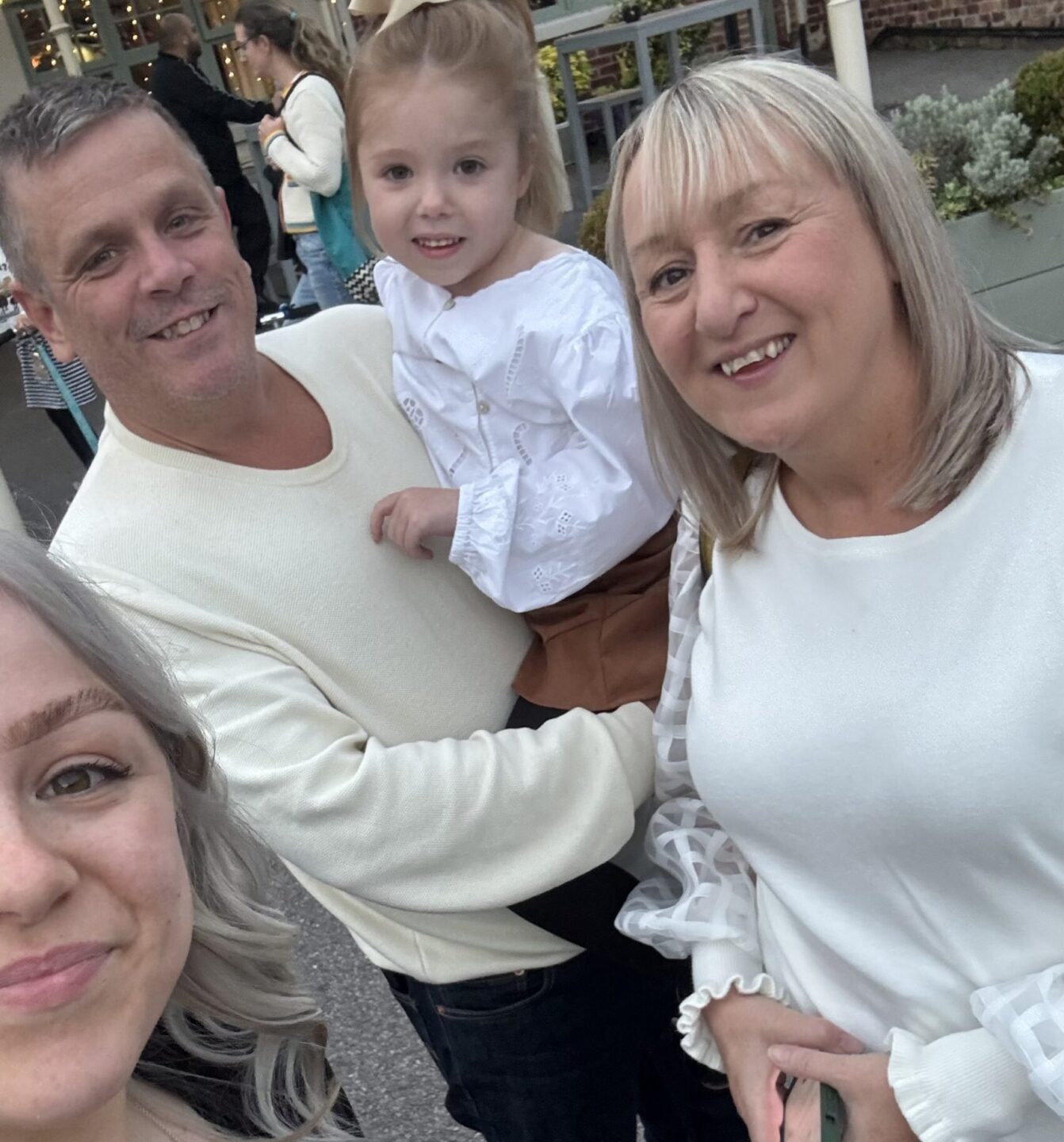

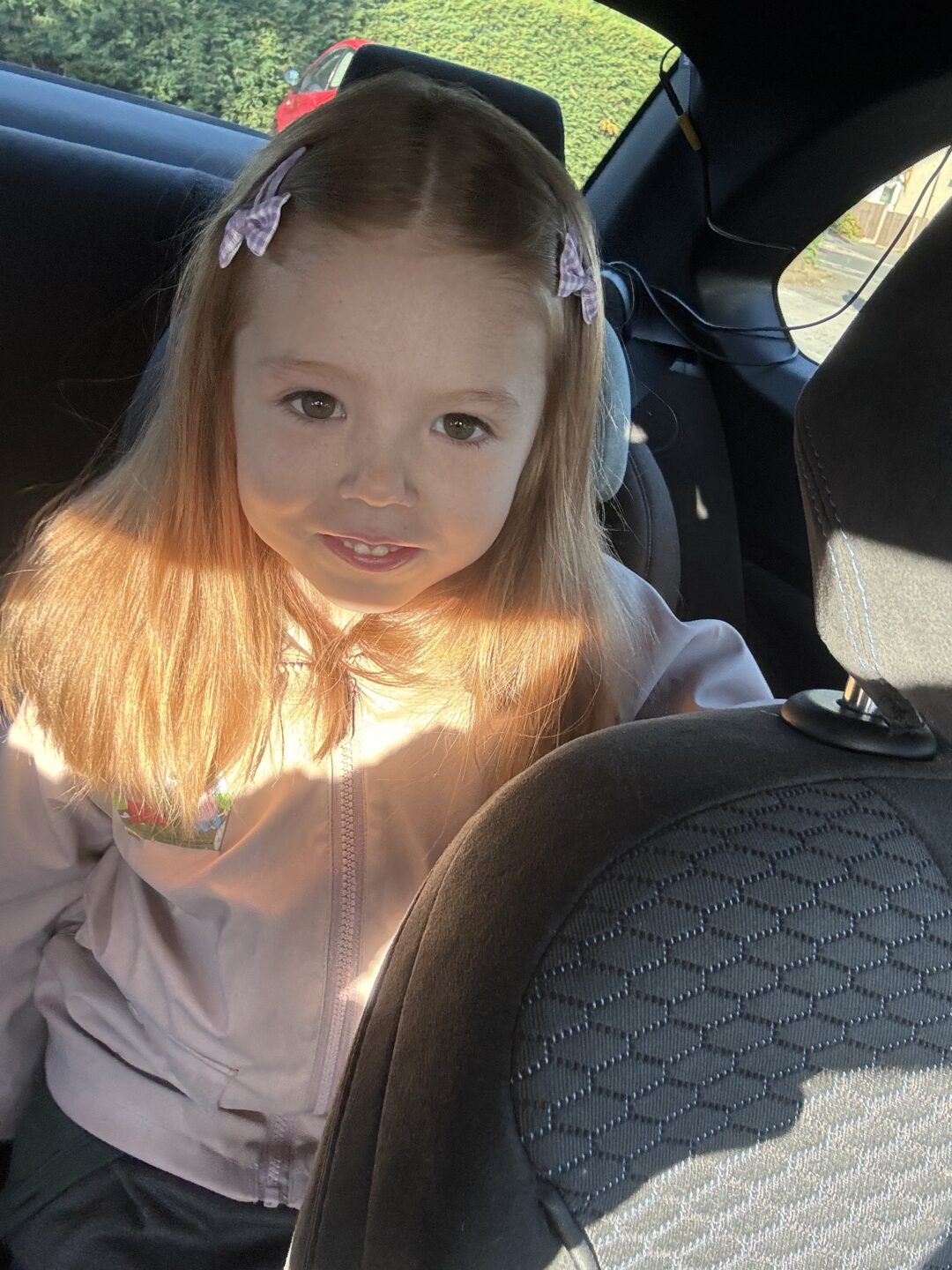
Amelia is now age 7 and is the craziest little bundle of energy, always full of life and laughter. What makes me happiest is how she tries every day to put smiles on the faces of everyone around her. She’s so silly and joyful – even after a night with six seizures she wakes up bouncing around, laughing, and smiling like nothing happened.
She is obsessed with books – a true little bookworm though she doesn’t read them herself. I read to her over and over again, and it’s never enough for her. She has her own little library at home and I love seeing her curiosity and love of stories grow every day.
Amelia has a mischievous sense of humour and loves playing posting games. I’ll often find toys or remotes tucked into the cat’s bed, which she finds absolutely hilarious. She adores animals, and trips to farms are some of her favourite outings.
Every Dravet Syndrome journey is unique. Read more stories here.
We support all families affected by Dravet Syndrome. Read more here.
Discover more about Dravet Syndrome here.