
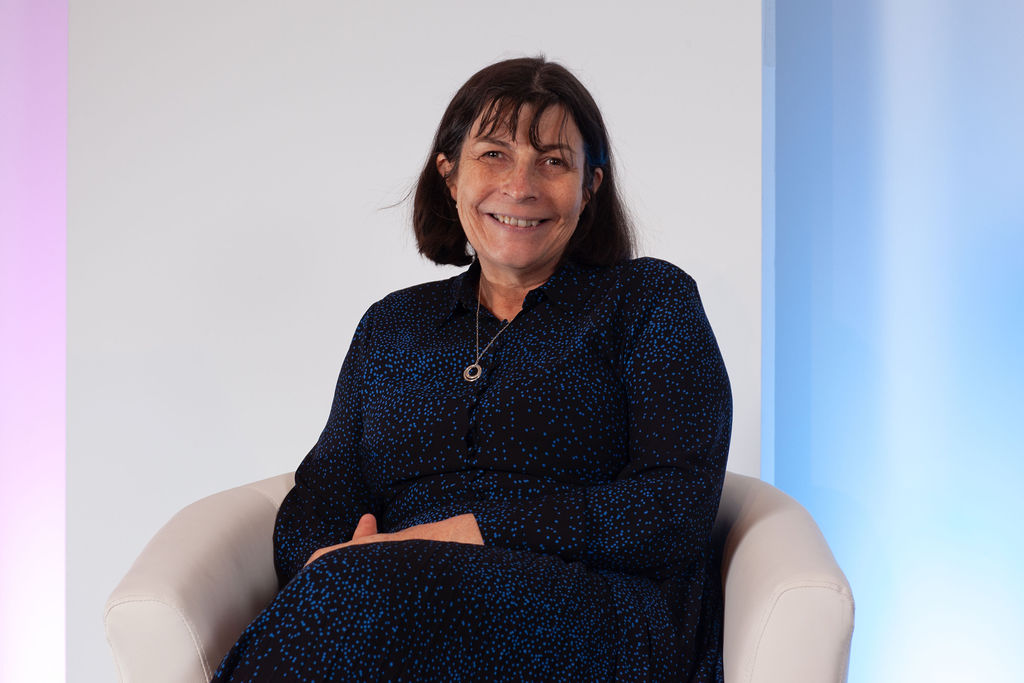
I regularly see patients with hard-to-treat genetic epilepsies with impacts that go beyond seizures and it’s heart-breaking when treatment options are limited. This new treatment could help children with Dravet Syndrome lead much healthier and happier lives. Overall, our findings showed that zorevunersen is safe to use and well tolerated by most patients and supports further evaluation in the ongoing Phase Three study.Lead author Professor Helen Cross, Director and Professor of Childhood Epilepsy and Chair of Dravet Syndrome UK's Medical Advisory Board
Eighty-one children aged two to 18 took part in the initial trial. Patients in these studies had an average of 17 seizures per month before the trials started. The 81 children were given up to 70mg of zorevunersen by lumbar puncture, either as a single dose or with additional doses two or three months later over a six-month period. Of those patients, 75 went on to take part in extension studies. Those patients continued to receive the drug every four months.
Patients given a 70mg dose in the initial phase of the trial saw their seizures reduce by between 59 per cent and 91 per cent over the first 20 months of the extension studies compared with the number of seizures they were having before the trial started.
Nineteen of the trial participants were patients at UK hospitals. As well as GOSH, those hospitals were Sheffield Children’s Hospital, Evelina London Children’s Hospital and The Royal Hospital for Children in Glasgow.
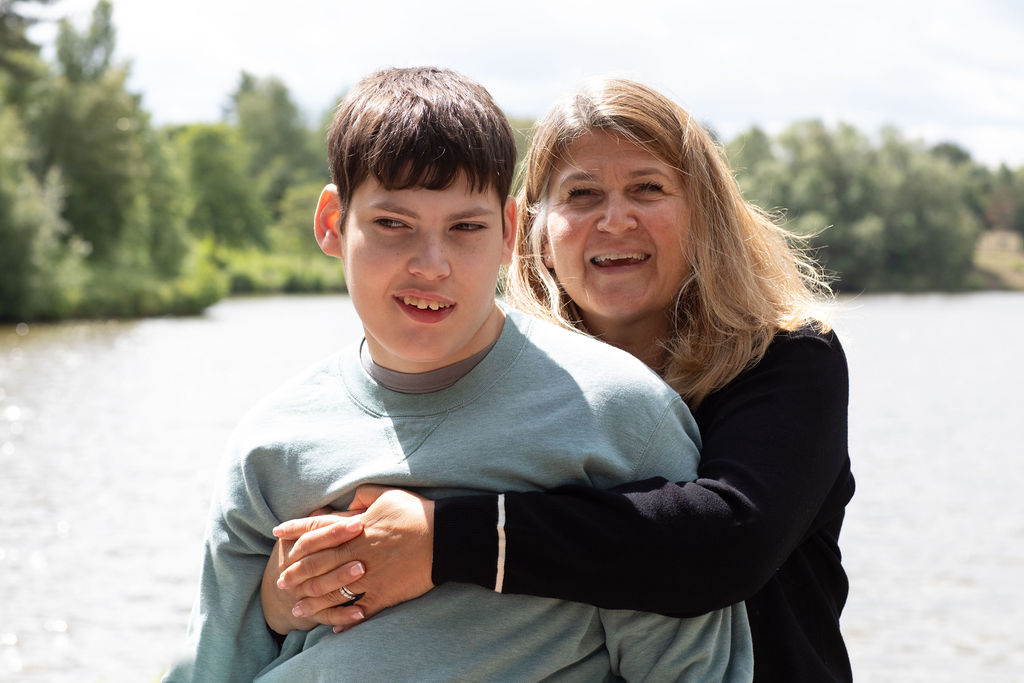
We regularly see the devastating impact that this condition has on the lives of families. That’s why we’re so thrilled about these latest results from the initial zorevunersen clinical trials.Dravet Syndrome UK Chair of Trustees Galia Wilson
We’re now looking forward to the Phase Three clinical trials taking place to see if the early promise we see here will translate into real hope for all those families currently affected by Dravet Syndrome.
Patient’s story
Sheffield Children’s NHS Foundation Trust patient Freddie, aged eight, from Huddersfield, has Dravet Syndrome and has taken part in the trial.
Freddie started taking the medication in 2021 and went from more than a dozen seizures in the night to one or two brief seizures, lasting only seconds, every three to five days.
His mother Lauren said: “The trial has completely changed our lives. We now have a life we didn’t ever think was possible and most importantly it’s a life that Freddie can enjoy.”
Read our frequently asked questions
The team at Dravet Syndrome UK have prepared some FAQs that you might have about this new expermental treatment including information about phase 3 trials.