
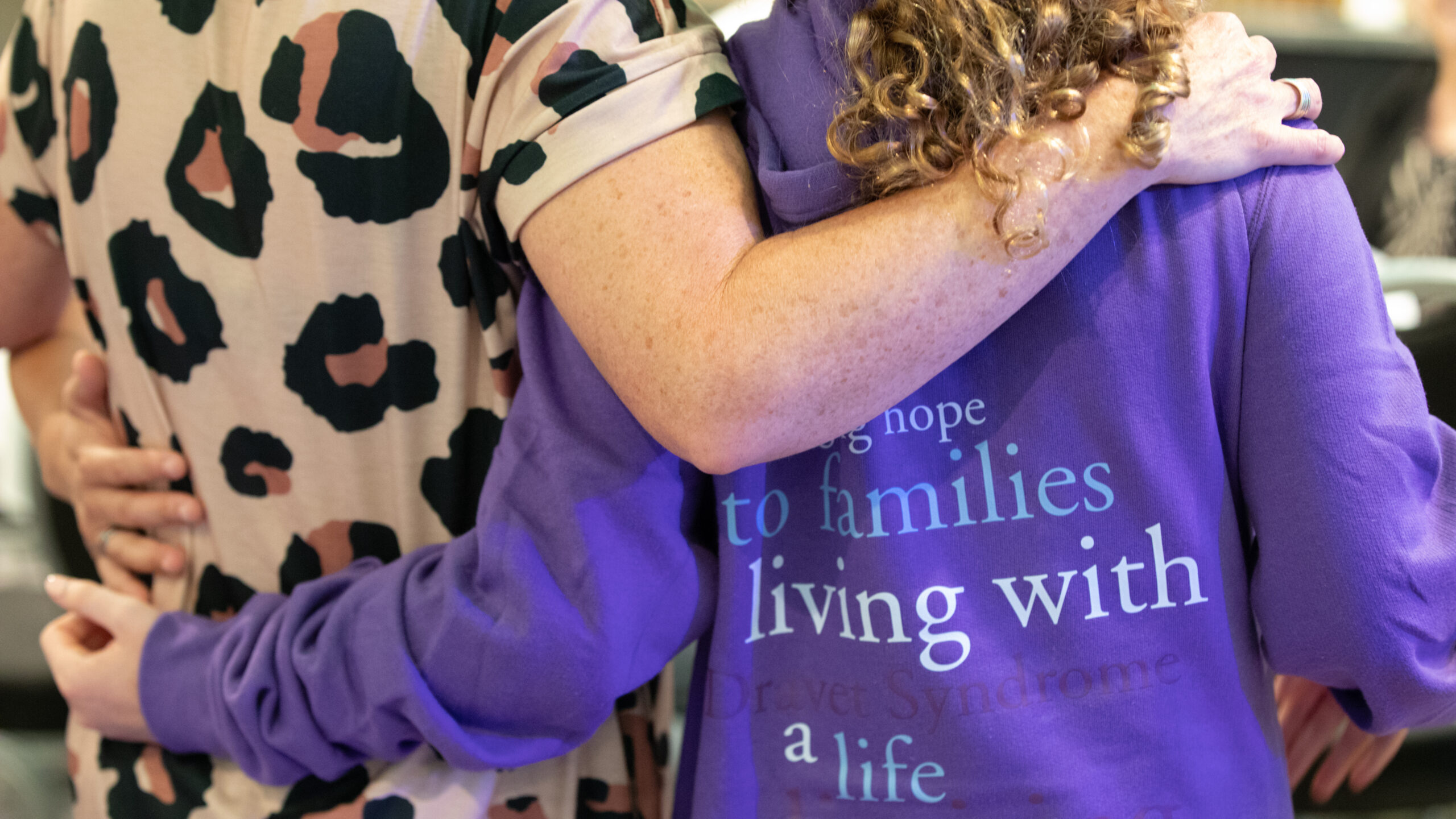
In an international collaboration, Dravet Syndrome UK’s Chair of Trustees, Galia Wilson, and Chief Scientific Officer, Ceri Hughes, have co-authored a paper examining the mental health impact of caring for someone living with Dravet syndrome. As this area of research is becoming increasingly recognised and better understood, this paper reviews the 20 previously published studies to find commonly reported experiences, and identify gaps in knowledge.
Key findings
- Depression and anxiety: Across studies, depression affected between 5% and 66% of caregivers, and anxiety between 5% and 80%. Studies using validated clinical tools found that on average, caregivers scored in the range indicating mild-to-moderate depressive symptoms – significantly higher than both the general population and caregivers of people with other forms of epilepsy.
- Poor sleep, fatigue, and stress: The majority of caregivers reported disrupted night‑time sleep, with one study finding that over three‑quarters had clinically abnormal sleep quality. Higher levels of fatigue and sleep disruption were consistently associated with higher levels of anxiety and depression.
- The burden falls disproportionately on mothers: In almost every included study, the mental health burden was predominantly carried by women, particularly mothers. The mental health needs of fathers and other male caregivers remain poorly understood.
- The impact of sudden unexplained death in epilepsy (SUDEP) on caregiver mental health has never been studied: Despite SUDEP being the most common cause of death in Dravet syndrome, and a source of profound fear for families, no studies have directly examined how this risk affects caregiver mental health.
- Connection and community: Meaningful social support and companionship were identified as significant protective factors.
- Patient advocacy groups are central but under‑researched: Many caregivers rely on organisations like Dravet Syndrome UK for information, community and practical support, and clinical guidelines recommend families are signposted to these groups at diagnosis, but no studies have yet examined how this support affects caregiver mental health.
Read the full study in Epilepsia.
Call to action
The authors are clear that current levels of support for caregivers are insufficient. Healthcare professionals should routinely and proactively ask about caregiver mental health, and there is an urgent need for validated, Dravet syndrome-specific tools to assess it. We are calling for research into targeted psychosocial interventions, and for the impact of SUDEP risk on caregiver mental health to be investigated.
At Dravet Syndrome UK, we will use this evidence to continue advocating for better recognition of caregiver mental health, to push for improved access to psychological support, and to shape our own support services.
If you are struggling with your mental health while caring for someone living with Dravet syndrome, please know you are not alone and we are here to help. Head to https://www.dravet.org.uk/families/mental-health-support/ to find out what is available to you.