Findings from our recent Family Survey

Between June 2025 and February 2026, 65 families registered with Dravet Syndrome UK shared their experiences of living with the condition. The survey covered diagnosis, healthcare, therapies, social care, education and mental wellbeing. Understanding the reality of life with Dravet Syndrome is essential to ensuring our work reflects what matters most to the families we support. We are deeply grateful to everyone who took the time to take part.

We have analysed the responses and produced a research report. The findings and insights will inform our work, and hopefully the wider field, in moving forward to address the unmet needs identified. For each area, we have outlined recommended actions to help address the gaps families described.

Key findings are highlighted below.

Earlier diagnosis, but post-diagnosis support remains limited
64% of children under five were diagnosed before their first birthday. Yet fewer than half of families were offered genetic counselling, and no under-fives in our survey had a funded care package or social care assessment.

Sleep is badly disrupted, and night-time worry never really stops
83% of respondents said sleep is disrupted by Dravet Syndrome. Night-time seizures affect more adults than children, and overnight respite was the most requested form of support but was received by fewer than a quarter of families.

The toll on carers is huge, but the right support remains out of reach
Two-thirds of carers said Dravet Syndrome has a huge impact on their mental health. 74% of those most affected received no or minimal support. Half of siblings are hugely affected, and 51% receive no support at all.

SUDEP is a constant fear, and families want honest, ongoing conversations
Worry about SUDEP affected the sleep of 96% of parents of children and 58% of parents of adults. Families are not asking for one conversation at diagnosis and they want the topic revisited throughout their loved one’s life.

Comorbidities accumulate, but therapy access collapses
Physiotherapy, speech and language therapy and occupational therapy all dropped by around half when young people moved into adult services. Adults living with Dravet Syndrome were three times more likely to receive no additional therapies at all, despite increasing comorbidities.

Support exists, but too many families cannot access it
One in three families with children living with Dravet Syndrome received no funded social care. 87% had an Education, health and care plan, yet 70% still struggled to access the right educational support.

DSUK support makes a real difference
67% of respondents feel more knowledgeable and positive about managing Dravet Syndrome since engaging with DSUK. 59% feel more confident navigating healthcare and support systems.


The full report is available to read here and we will be sharing insights on our social media channels throughout Dravet Syndrome Awareness Month in June 2026.

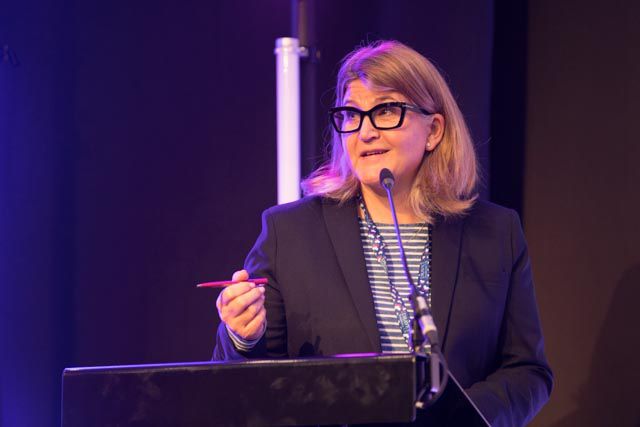
“We are so grateful to every family who shared their experiences with us in our 2025/26 Family Survey. The findings make clear that, despite some progress, families living with Dravet Syndrome are still facing serious gaps in support that affect their lives every day. As well as informing our upcoming five-year strategy, we hope this report gives those working across health, education and social care a clearer picture of where improvements are needed most.”
Galia Wilson, Chair of Trustees, Dravet Syndrome UK

Family Survey Findings Report

You can read the full report of the findings from Dravet Syndrome UK's Family Survey here.

Dravet Syndrome Awareness Month June 2026

Join us this June to raise awareness of Dravet Syndrome. You can find out how to get involved here.
Support for families

If you’re a family living with Dravet Syndrome looking for support, you can find out what we offer here.
Support our vital work

Families are at the heart of everything we do at Dravet Syndrome UK. Help us to be there for all those navigating the complexities of this devastating condition.