
Dravet Syndrome Awareness Month June 2026
Join us this June to raise awareness of Dravet Syndrome. You can find out how to get involved here.
Our Priority Setting phase 2 is a real opportunity for families to tell us where research needs to focus.

The ranking exercise will be open during June 2026 only, so please do not delay in sharing your views. You don't need to be registered with Dravet Syndrome UK – any family living with Dravet Syndrome in the UK can take part.

“Our priority setting exercise is an important step forward in our strategy to put people living with Dravet Syndrome and their families at the heart of research. Although it’s a promising time for Dravet Syndrome research with new disease modifying treatments on the horizon, there are still important questions that are not being answered elsewhere. This is a real opportunity for families to tell us where research needs to focus. We want our future projects to make a meaningful difference to as many people as possible, and that starts with listening to the families we support."Ceri Hughes, Chief Science Officer, Dravet Syndrome UK
The following 12 themes emerged from the first phase and are now available for ranking, listed here in no particular order:
Thinking, learning and communication
Research to understand how Dravet Syndrome affects thinking, learning and speech at different ages, and what helps children and adults communicate and learn as well as possible.
Autism, attention and sensory differences
Research into autism (and autistic-like features), ADHD and sensory processing in Dravet Syndrome, and what support works best at home, in education and in the community.
Challenging behaviour, mental health and emotional wellbeing
Research to understand behaviours that challenge, mood changes and mental-health difficulties in Dravet Syndrome, what contributes to them, and what really helps.
Sleep and night-time challenges
Research into why sleep is often disrupted in Dravet Syndrome and what can improve sleep for both the person living with Dravet Syndrome and their family.
Movement, balance and physical ability
Research on how Dravet Syndrome affects walking, balance, scoliosis and bone health over time, and what helps people stay as mobile, safe and comfortable as possible.
Eating, digestion and toileting
Research to understand and improve difficulties with eating, weight, digestion and toileting in Dravet Syndrome.
Hormones and life changes
Research into how puberty, periods, menopause and other hormonal changes affect seizures, behaviour and overall health in Dravet Syndrome, and how Dravet Syndrome may also affect these life changes.
Health and wellbeing in adult life
Research on how Dravet Syndrome affects health, thinking, independence and daily life in adulthood, and how medicines can help or cause difficulties over time.
Transition and adult services
Research on the differences between children’s and adult services for people with Dravet Syndrome, how families navigate those changes, and what helps adult care work better.
Home, care and planning ahead
Research into supported living, residential care quality, social care funding and how families can plan ahead as parents and carers get older.
Coordinating care across the system
Research into how families navigate multidisciplinary health, education and social care systems, how this adds pressure, and what helps create more joined-up, family-centred care.
Impact on parents, siblings and the wider family
Research on the psychological and emotional impact of Dravet Syndrome on parents, siblings and the wider family, how peer support works in practice, and what really helps caregivers cope and thrive.
Join us this June to raise awareness of Dravet Syndrome. You can find out how to get involved here.
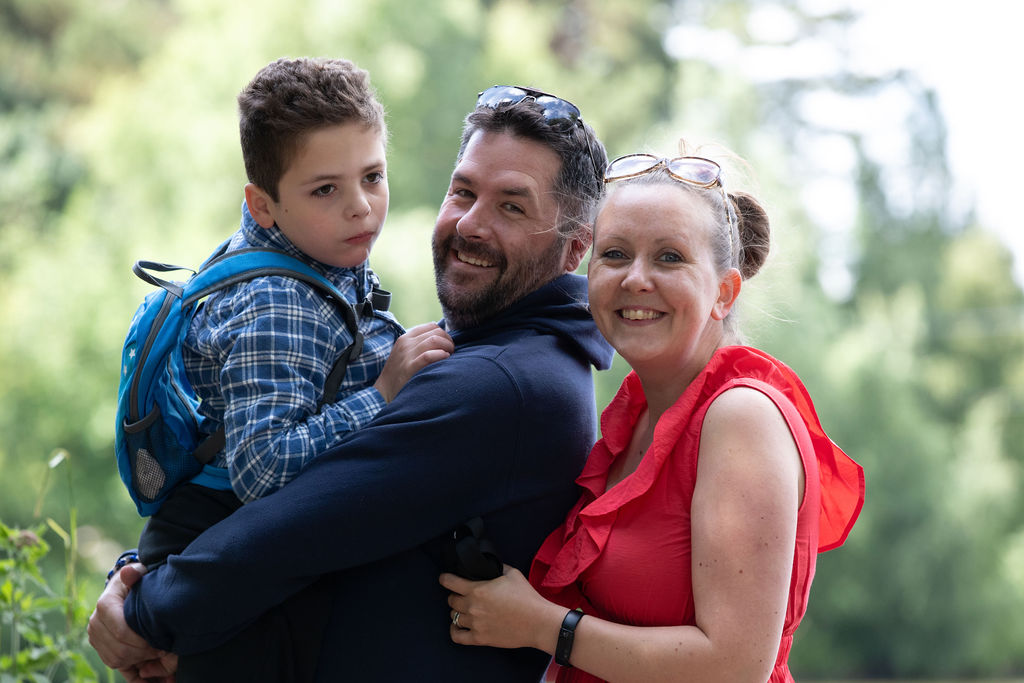
If you’re a family living with Dravet Syndrome looking for support, you can find out what we offer here.

Families are at the heart of everything we do at Dravet Syndrome UK. Help us to be there for all those navigating the complexities of this devastating condition.