
Awareness Month 2026
Jessie’s family shared their journey for Dravet Syndrome Awareness Month 2026. For a review of the campaign, click here.
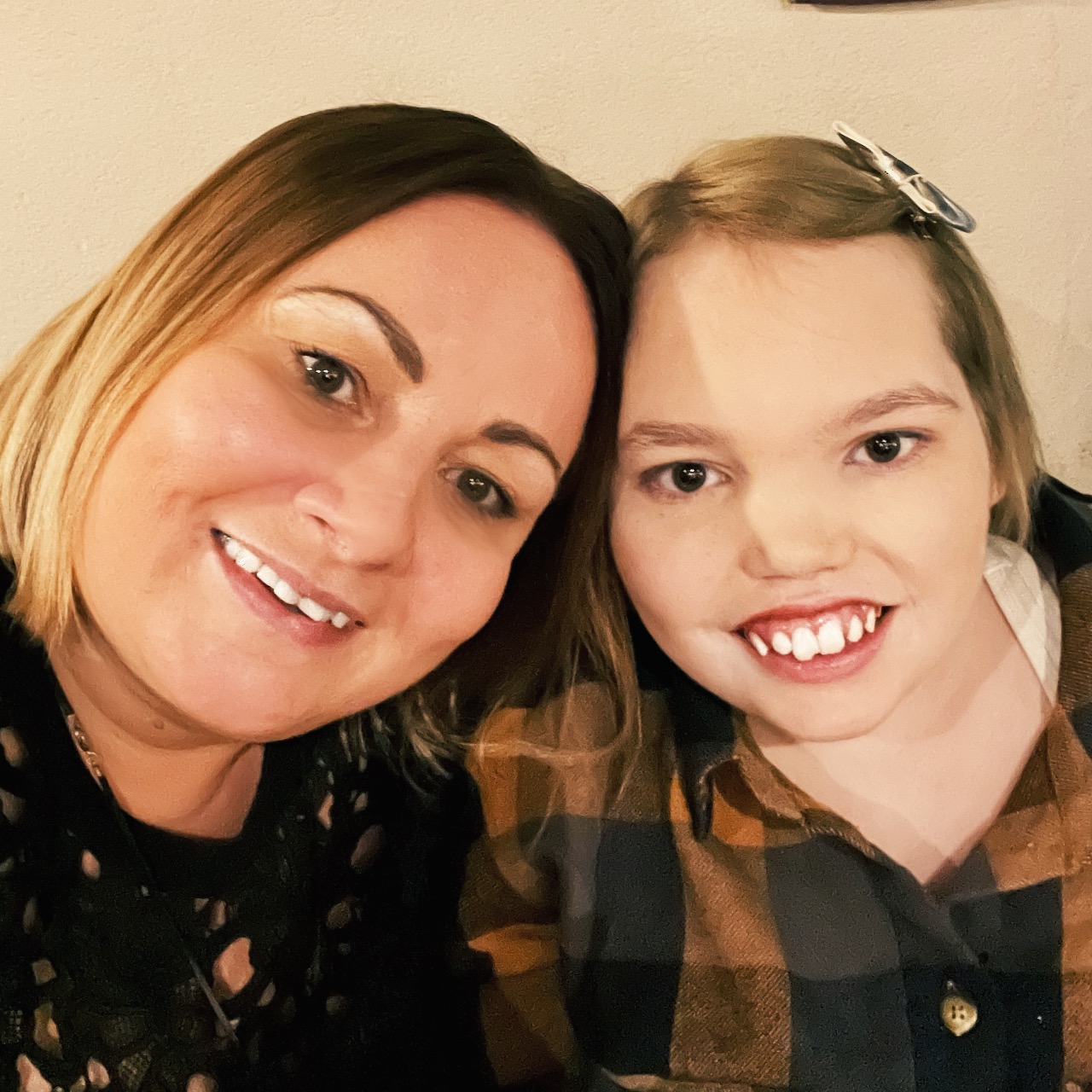
Jessie, aged 20, lives with her Mum Rachel and her brother Thomas in Derbyshire. Rachel shares their story.
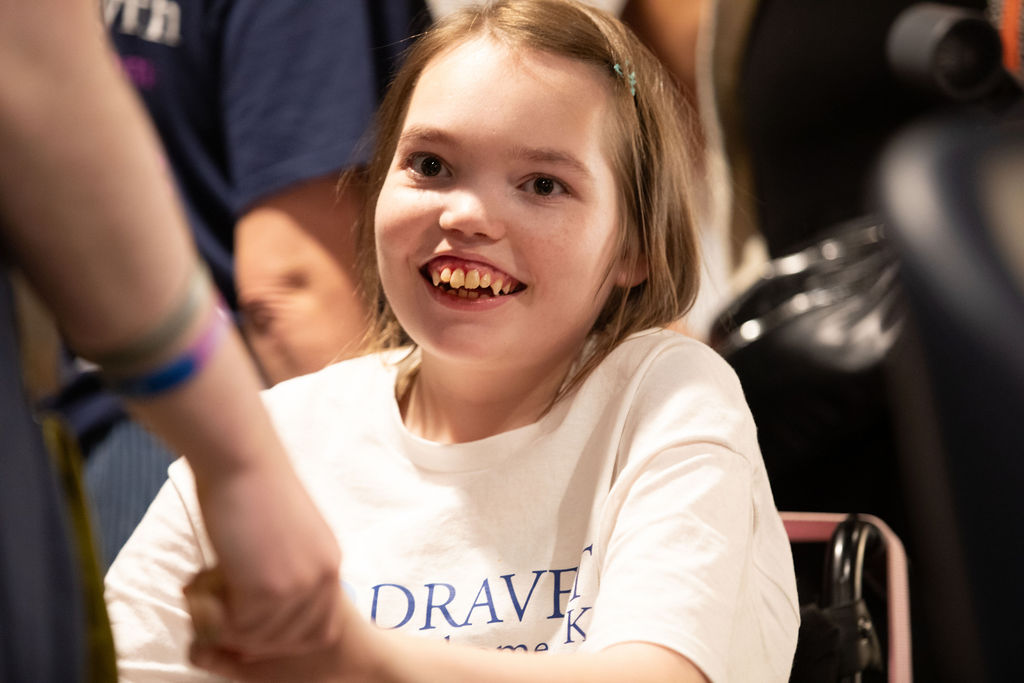
Jessie was born a healthy 8lb 11ozs with no complications. She developed well, hitting all her milestones. She walked at 10 months and all was on track. When she was 10 months and 2 weeks she had a febrile convulsion. This was scary to see but we didn’t panic too much as our son, Thomas, had one at aged 18 months. We went to the hospital but after a quick check-up we went home. Two weeks later she had another seizure, but this time it wouldn’t stop and after a blue-light ride to the hospital and many drugs, she had to be intubated.
Gaining a diagnosis
The doctors started doing the usual tests; MRI, EEG, etc. These all came back clear. After the second seizure we had a very experienced consultant who first told us the words “Dravet Syndrome”. When Jessie was aged one, we had a blood test sent to Glasgow for genetic testing. The test came back negative for Dravet Syndrome, or so we thought.
It turned out, however, that there was a mix up and her blood was never tested. So, four years later, she was tested again and, guess what, it came back positive! It was at this point I sought out Dravet Syndrome UK who funded a pulse oximeter, which has helped us immensely, especially with her respiratory arrest habits.
In the four years prior to the diagnosis, our doctor had continued to treat Jessie for Dravet Syndrome, adding more meds to improve seizure control. Some medications worked for her, but with others the side effects were too much. Eventually, the right combination was found. Jessie still had seizures with temperatures and illness, 2-3 tonic clonics/complex partials a month, and absences were a daily occurrence, but this was fabulous compared to previous years.
Over the following years, Jessie developed other problems including ataxia, hypermobility and Autism Spectrum Disorder (ASD) to name a few. Her appetite all but disappeared, due to medications, and after some careful thought we decided her quality of life would be much better with a gastrostomy (a procedure that allows Jessie to be tube-fed). When Jessie was aged 8, she started on the keto diet, which started to help with her seizures. She steadily put on weight, became a lot stronger and more lively. She stayed on the keto diet for four years before being weaned off. She is fully tube fed now, after losing her swallow. She kept getting chest infections and lost a lot of weight. The hope was we could get her back on real food, but it was sadly not to be.
We also transferred her over to a special needs school, as her mainstream school was struggling to meet her needs. This again proved to be a good decision although it was a very difficult one. Thankfully she settled in brilliantly and stayed in school until age 19.
Transition to Adulthood
Jessie is now aged 20 and for the past few years we have had an extremely difficult time, with the transition to adulthood. Sadly, I can only describe it as horrendous.
I had started planning for transition well in advance. Childcare services had felt like a good support. Jessie had regular SaLT (Speech and Language Therapy), Physio, Occupational Therapy and Dietician appointments. I felt that she was ‘handled’ nicely, until she reached adult services.
When she turned 18, it felt like everyone backed off and no one was interested anymore, almost as though they were washing their hands of her.
Adult services work in a completely different way. For example, each time she needs to see a physio, we have to re-refer, which inevitably means time spent on waiting lists.
I feel that if Jessie had, for example, ‘just’ learning difficulties, there would be more opportunity for her to attend groups as an adult. But, because her medical needs are so severe, there is no support available and I’ve hit many brick walls in getting everything in place for her. I’ve found that within adult services, there is no one trained in Jessie’s particular medical issues, tube-feeding, seizures, administering rectal rescue medicines etc.
When Jessie left school at the age of 19, I’d applied for a Continuing Health Care (CHC) budget for her. This was turned down. I had to reapply and it is now shared with a social care budget (there are more funds that go into the budget from social care than from health care, despite Jessie’s complex medical needs!).
I decided that I wanted to find Personal Assistants (PAs) for Jessie, to fill the budget of 35 hours a week. I wanted her to have a good quality of life and get out and about. I didn’t think it was healthy for her to stay at home with me all day. Luckily, I have a great social worker and I’d recommend other families reach out to their social worker for support.
Frustratingly, myself and our social worker asked CHC for help in training PAs to be able to support Jessie’s medical needs. This was completely refused. We were told that in adult services locally, no one was trained and there wasn’t anyone to train them. This was very different from our experience with children’s services as the Keep Independent Through Enablement (KITE) team trained those involved in Jessie’s care.
We questioned the refusal and were met with the absolutely horrific response – ‘we weren’t expecting Jessie to be here’. They explained that there was no provision available locally as Jessie, along with a few others in the area of a similar age, weren’t expected to reach adulthood. As they had indeed reached adulthood, they were the first to require support.
This really made me angry and I refused to accept that they hadn’t ‘seen her coming’. Jessie had had an EHCP review each year coming up to adult services, so they were aware of her needs and requirements. I did not accept that they weren’t expecting her.
Our social worker and a CHC nurse together went to the Integrated Care Board (ICB) to ask for training for PAs for Jessie. This was again refused, but we appealed again. We were eventually told that we needed to find three private healthcare providers who could provide this training. We were also told that the training needed to include training for me and my ex-partner as Jessie’s parents. This was quite insulting as I thought ‘I’ve only kept her alive for the past 17 years’.
We presented the training packages from three private healthcare providers to the ICB. They spent the following two months asking for specific dates for everything (for example, what date did Jessie have her gastrostomy?). The questions seemed unnecessary and just delayed everything further.
Finally, after we pushed and pushed, the ICB agreed the training package with Josh’s Care. This was for three PAs, including Jessie’s older brother, Thomas. As parents, we have also received the training, which has included after care, and regular check-ups. The whole process took two years to get into place.
I am now having a small break, for my own health, before I take on the next battle; respite. Our local council can offer six weeks of respite, funded. Not only would this give me the opportunity for a little bit of a life, it’s a case of needing this now – I have my own health problems and the stress of the past few years has taken its toll. It will also be very good for Jessie to have some space away from me.
We have found a residential setting in Worksop that Jessie could go to. It all looks great however we are up against the same problems – a manager and two or three staff members would need training in Jessie’s personal and medical care. This has again been refused by the ICB.
After a break to regroup and gather my energy, I’ll continue to keep pushing. I won’t take no for an answer. I know the respite is necessary and I’ll never give up on getting what Jessie and I need and deserve.
The impact on siblings
Jessie’s older brother, Thomas, was only aged around 5 years old when Jessie started having seizures. I knew that I couldn’t fully shield him from them as they were too frequent and severe, so I made the decision to be open and honest with him and answer any questions that he had. I’ve always let him be involved as much as he wants to be involved.
While he was young, his ‘job’ was to go to the front door so the ambulance knew where to come. We lived in a new house at that point and though it was relatively easy to find our street, I always thought it helped to have someone flag the ambulance down, and this also meant that Thomas was out of the room while I stayed with Jessie during her seizure.
Through infant and junior school Thomas must have felt very insecure. He never knew who was picking him up, whether that was me or his Dad, or if he would need to go to his friend’s house at short notice. He had trouble concentrating at school because he spent most of the time feeling anxious and worried about his sister.
He became a well-known face in intensive care, as he would need to come with me to be with Jessie when we didn’t have other childcare options. He missed out on so much when he was growing up, that others may take for granted, such as being taught to ride a bike by his parents. Though, I think growing up with a sibling living with Dravet Syndrome has definitely made him more caring, considerate and thoughtful.
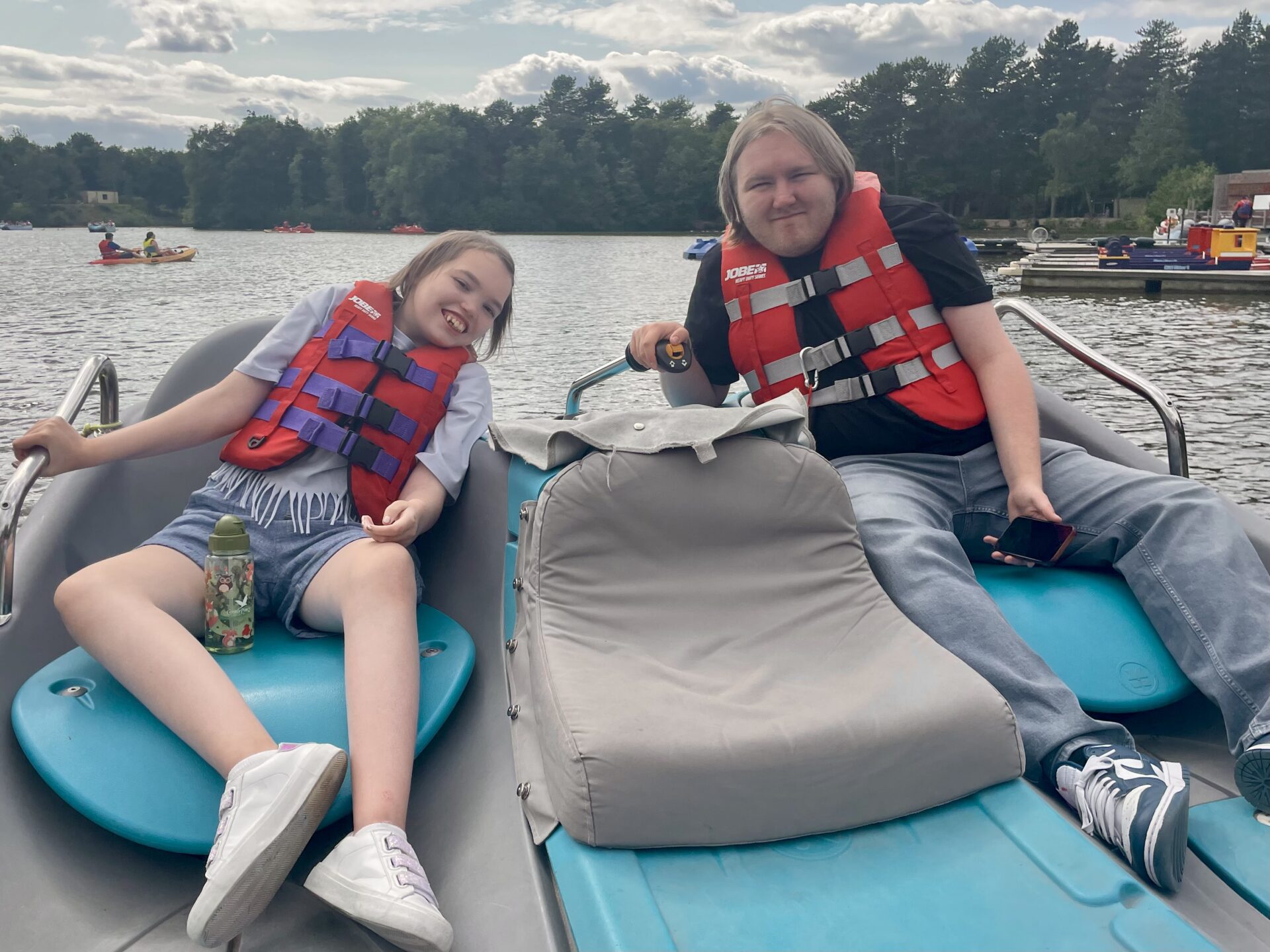
Thomas turns 25 this year. He is a drummer and has recently been on tour with his band. His dissertation as part of his music degree focused on music therapy and he was able to use Jessie in his examples. She loves music and she adores Thomas. He adores her too and they have a lovely relationship. He is now one of Jessie’s PAs. He is an angel and I’d be lost without him.
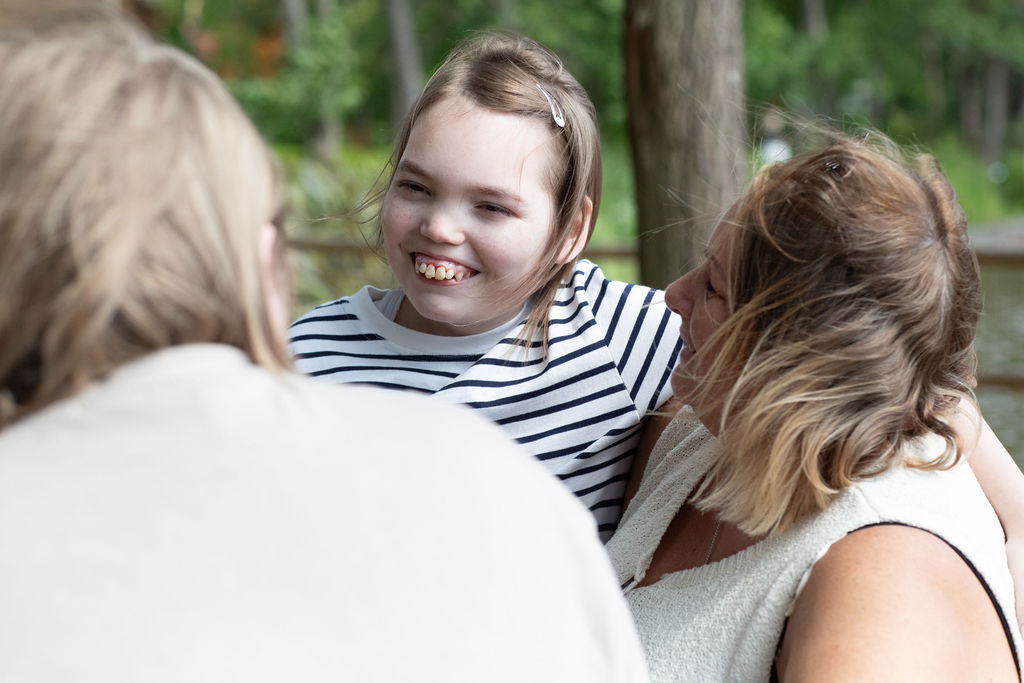
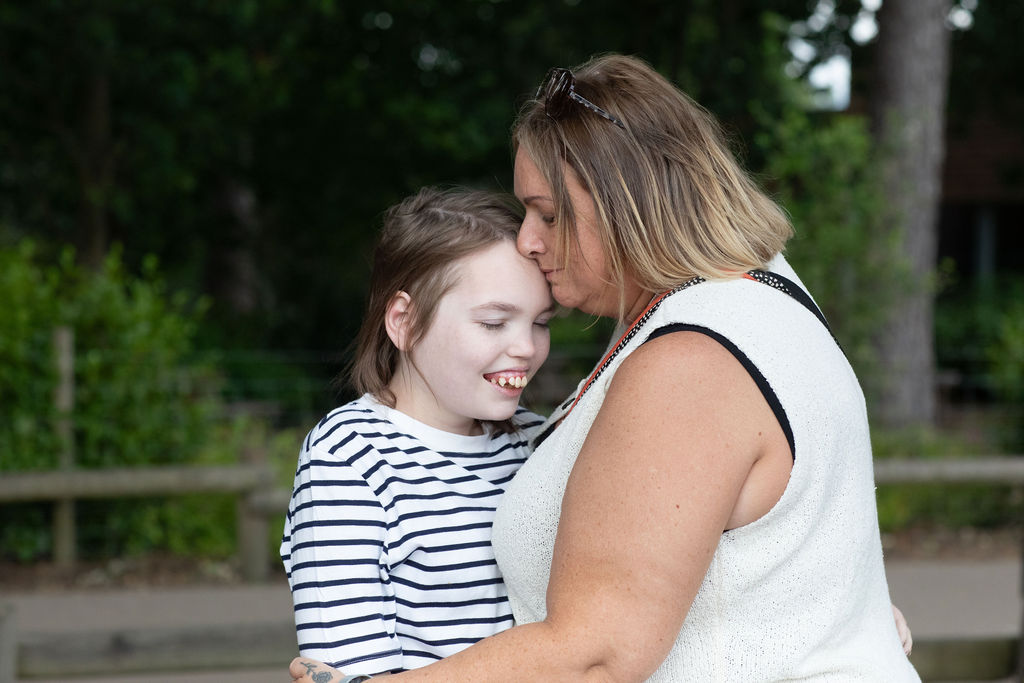
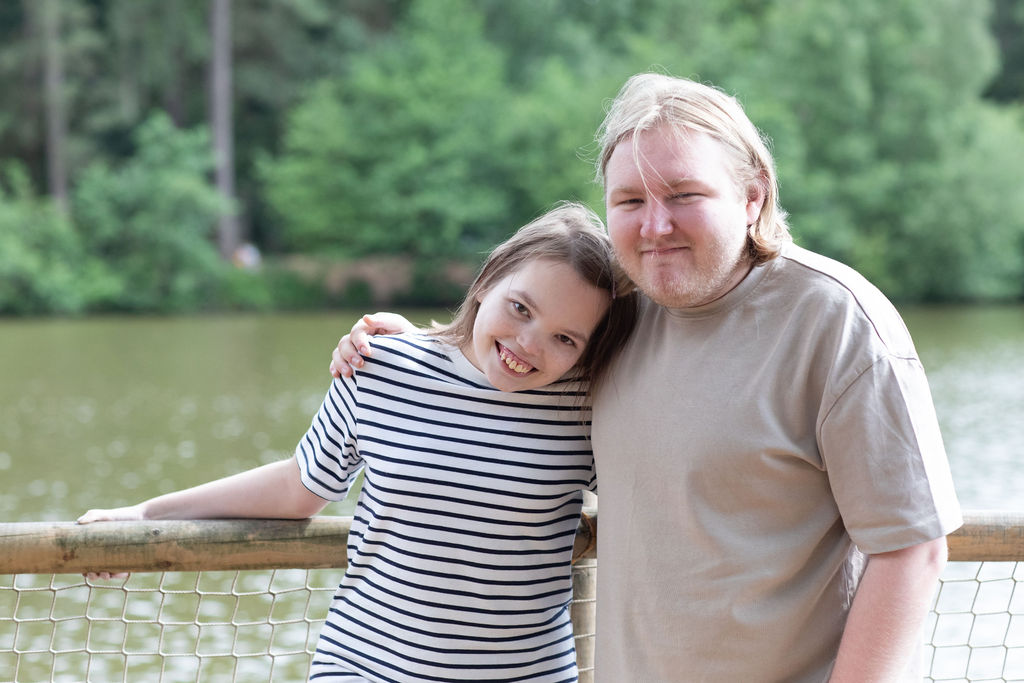
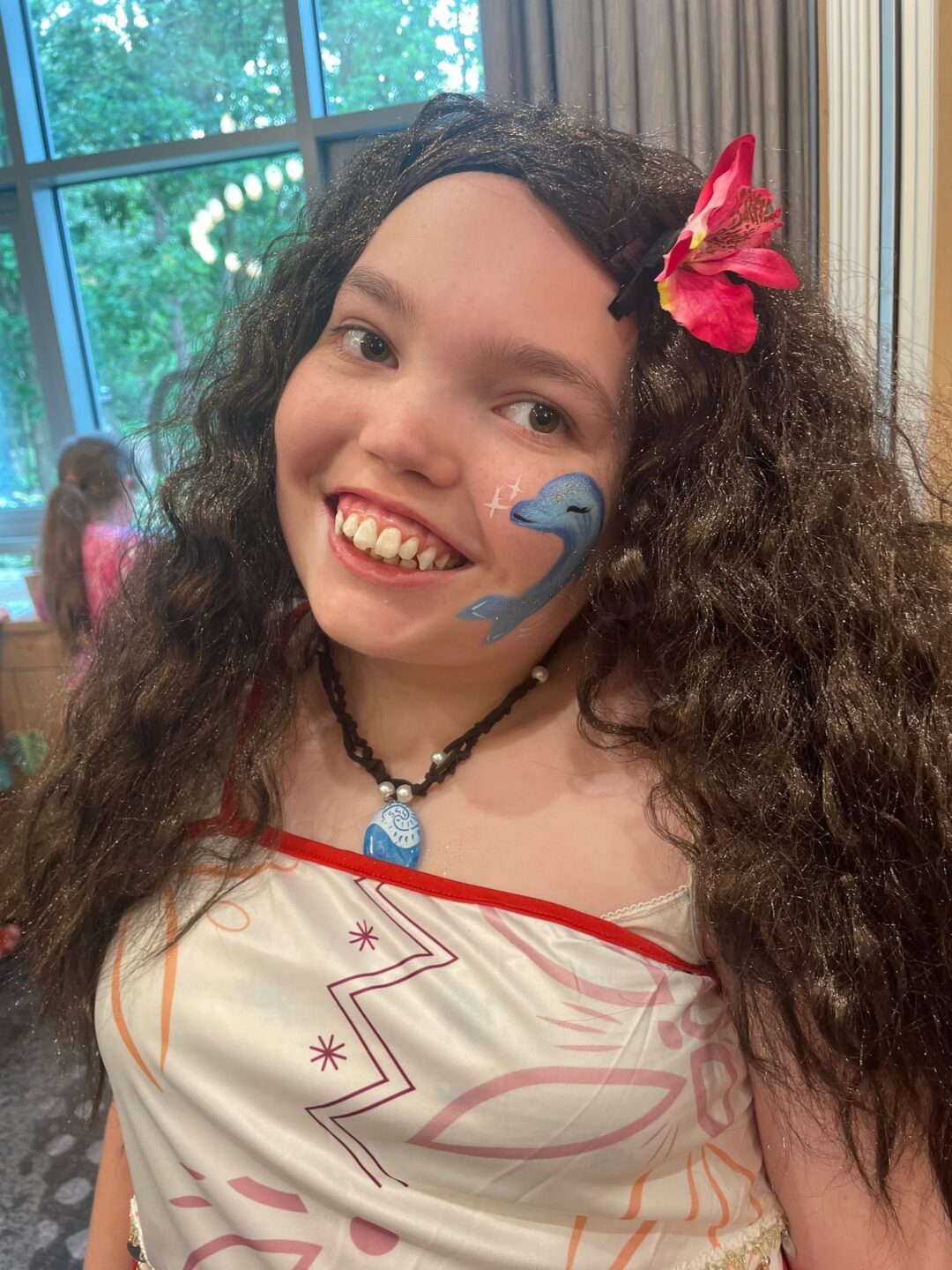
As Jessie has got older, things have changed and seizures aren’t our main concern any more. They are more ‘controlled’ (a term we use very loosely!) and there are definitely still bad patches where Jessie needs to be hospitalised. But it’s the non-seizure aspects of Dravet Syndrome and coping with these, day to day, which have become more difficult. Jessie has a diagnosis of Autism and Pathological Demand Avoidance. We have to use a lot of strategies to cope with her behaviour.
I think I started to notice these changes more significantly when Jessie was aged around 16 and was going through puberty. Her hormones were everywhere and she would get very distressed when on her period. Again, I’ve had to fight, to ensure Jessie receives the depo-provera injection, which stop her periods entirely (though I can still tell when she would be starting her cycle).
Jessie is an adult and has a mind of her own. As a parent, I’ve had to start to accept that when your child reaches a certain age you inevitably lose some responsibility. Jessie is verbal and will sometimes say ‘I am an adult’. This can come with problems, because although she can speak well, she doesn’t understand everything that is being said, even if she thinks she does. I would highly recommend having a ‘capacity test’ completed by someone who knows them well, like a social worker.
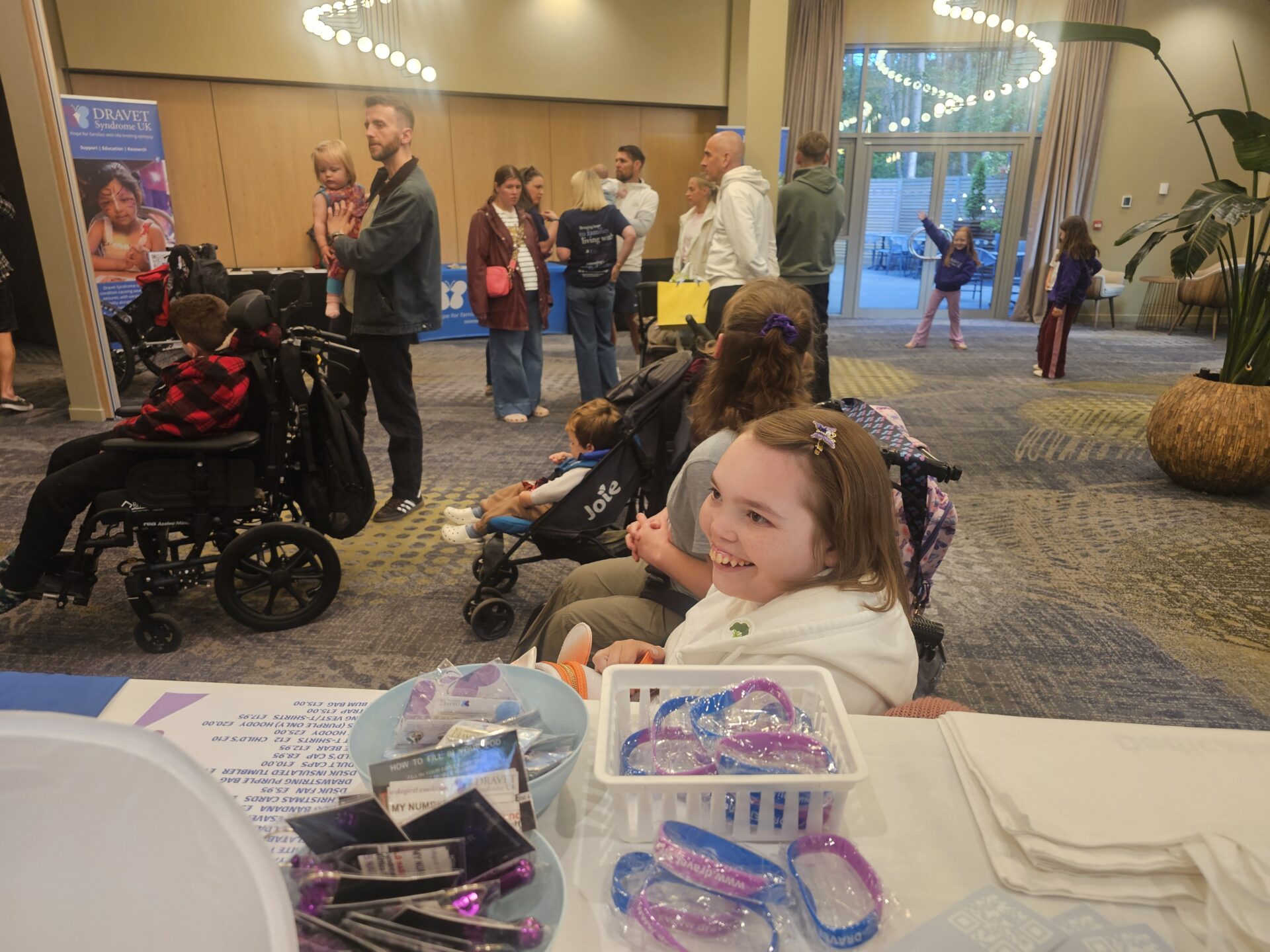
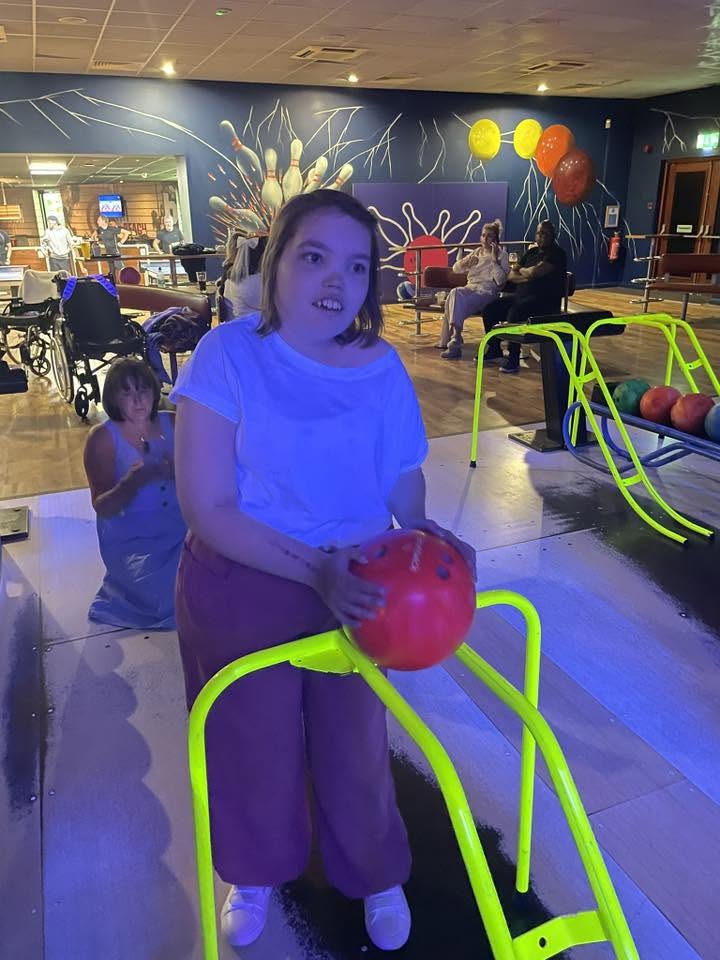
Jessie is a social butterfly and absolutely loves being out and about. Now her PA support is in place, she enjoys visiting parks, local attractions and going out for lunch. I have made sure her PAs are set up with carer passes for The National Trust, the cinema and I’ve also purchased bus passes, so that they can access everything they need to ensure Jessie is having a wonderful time.
As there is no real provision for young adults with complex needs, Jessie and her PA, and another PA and their ward, have set up their own club called ‘The Catch Up Club’. It runs every first Tuesday of the month and includes activities like bingo, or canvas painting etc. It’s a great opportunity for Jessie to see friends she went to school with and us parents visit in the afternoon for a catch up too. As a founding member, Jessie joins meetings to plan upcoming sessions and they are now looking to make things more formal, perhaps in becoming registered as a charity.
Although there has been so much stress and turmoil over the past couple of years, during the transition to adulthood, I’m so proud that Jessie is now able to be busy, out and about, learning and gaining independence.
Jessie’s family shared their journey for Dravet Syndrome Awareness Month 2026. For a review of the campaign, click here.
We support all families affected by Dravet Syndrome. Read more here.
Find out more about Dravet Syndrome here.